
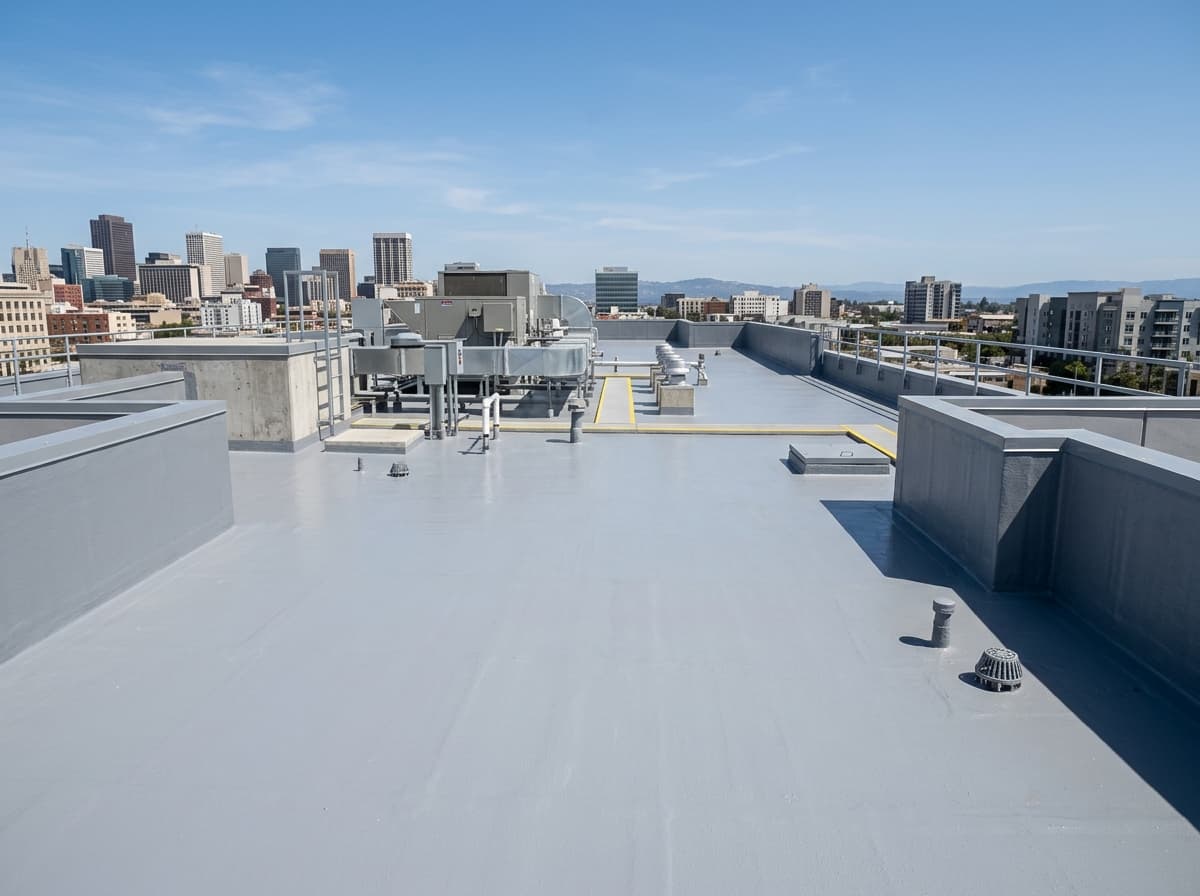
Basement dampness and water seepage in Dhaka high-rises are caused by high subterranean water tables and hydrostatic head pressure. Permanent remediation requires high-pressure polyurethane chemical injection to stop active gushing leaks, followed by deep-penetrating crystalline slurry coatings on negative-side concrete walls. Crystalline chemicals react with moisture and unhydrated cement to grow insoluble crystals 300mm deep into concrete capillaries.
Key Engineering Takeaways
- Negative-side waterproofing treats interior basement walls when excavating exterior foundation soil is physically impossible.
- High-pressure polyurethane injection expands up to 20x upon contact with water, creating an immediate flexible foam plug in leaking cracks.
- Crystalline coatings are self-healing: anytime water re-enters concrete capillaries in future years, dormant chemicals re-crystallize to block moisture.
- Eliminating basement dampness stops concrete carbonation, rebar corrosion, and musty airborne mildew in underground car parks.
1. The Subterranean Water Table Dilemma in Dhaka
Commercial and residential high-rises in Gulshan, Banani, Uttara, and Mirpur feature multi-level underground basements (B1, B2, B3) for parking and generator plants. Because Dhaka is surrounded by river systems with high seasonal groundwater tables, basement retaining walls are subjected to relentless hydrostatic water pressure.
When external waterproofing fails, water enters through construction cold joints, tie-rod holes, and honeycombed concrete, turning underground parking facilities into damp, foul-smelling, and structurally compromised environments.
2. The 3-Step Negative-Side Remediation Process
Because excavating the exterior soil of an existing city high-rise is impossible, KB Flooring BD utilizes negative-side crystalline technology and high-pressure chemical injection:
Stage 1 - Active Leak Grouting via PU Injection: Technicians drill staggered 10mm injection ports at 45-degree angles intersecting leaking cracks. High-pressure mechanical pumps inject hydrophobic polyurethane resin at 200 bar. Upon contacting water, the resin expands 20-fold into a tough elastomeric foam, stopping gushing water instantly.
Stage 2 - Cavity & Honeycomb Patching: Honeycombed concrete and tie-rod holes are chiseled out to sound aggregate and plugged with rapid-setting crystalline water-stop mortar (curing rock-hard in 90 seconds).
Stage 3 - In-Depth Crystalline Slurry Application: Concrete walls are saturated with water and coated with two coats of deep-penetrating crystalline slurry. The active chemical catalyst migrates deep into capillaries via osmotic pressure, permanently sealing concrete pores against water heads up to 120 meters.
Frequently Asked Questions
Will crystalline waterproofing stop water coming from behind painted walls?
Existing paint and plaster must be stripped down to bare concrete. Crystalline chemicals must contact open concrete pores directly to initiate catalytic crystal growth.
Is crystalline waterproofing affected by surface scratches?
No. Unlike surface films, crystalline waterproofing occurs inside the concrete matrix up to 300mm deep. Surface scratches or gouges will not cause the waterproofing to leak.